Hoeing fruit patch and twitch!

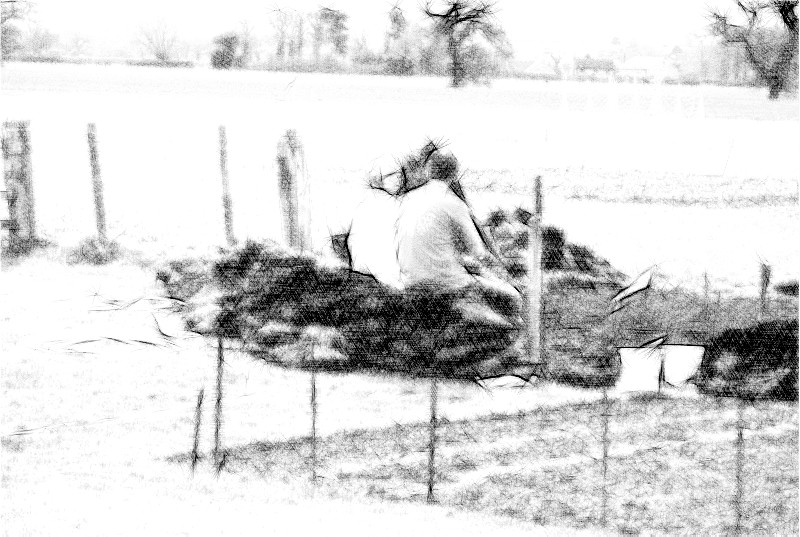
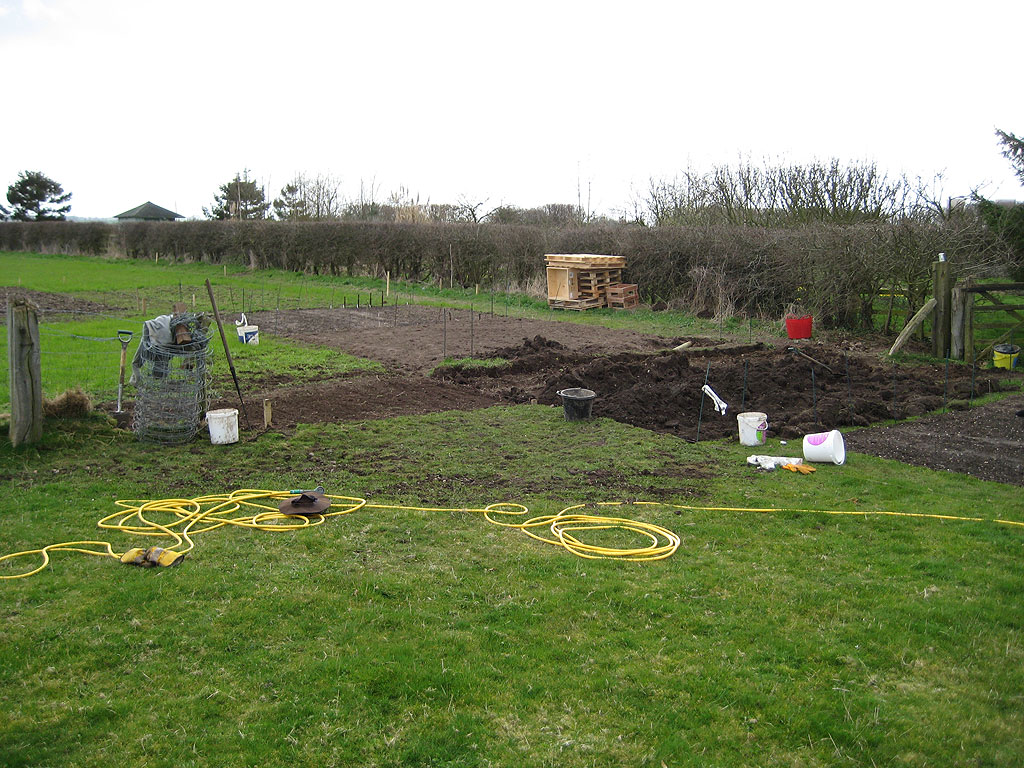
Agh! The last plot to hoe and turn over is was the fruit patch. Having spent a couple of days double digging the grassed section of it, and hoeing the surface weeds out of the rest of it, we discovered twitch (couch grass) spreading into the patch from the headland and hedgerow. I thought we might be able to salvage some of the prepared ground to plant something, but it’s so far in that, having talked to farmer John, we decided to leave that patch to regrow its weeds and use Roundup on it. I hate the thought of using chemicals, but with so much else going on I feel it’s necessary. He talked of the old way of doing things would be to plough the land seven times in one growing season, which would eventually chop the rhizomes up into pieces too small to regrow…eventually. That being said, it lost them a growing season on the affected land in the process.

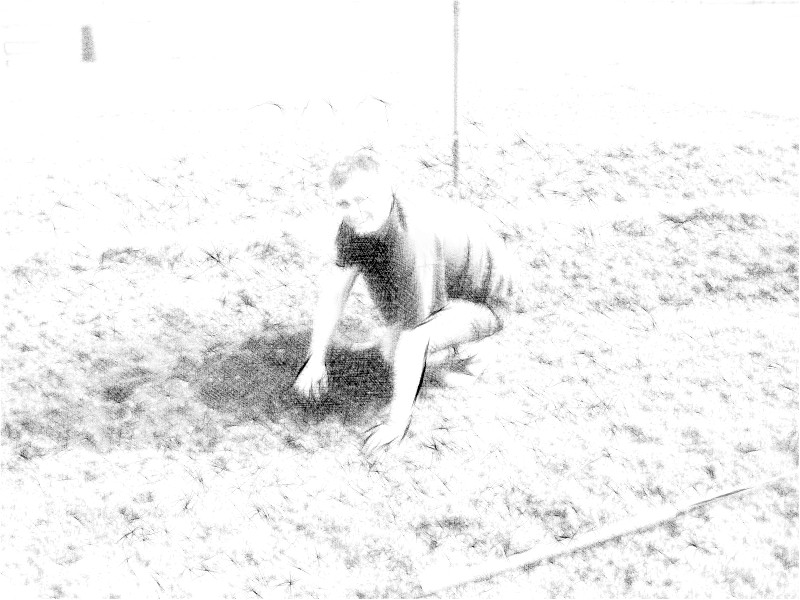
Meanwhile, on Gary & Liz’s patch, Gary just played chicken with the water sprayer thingie. Kids!

Chickens rehomed :)

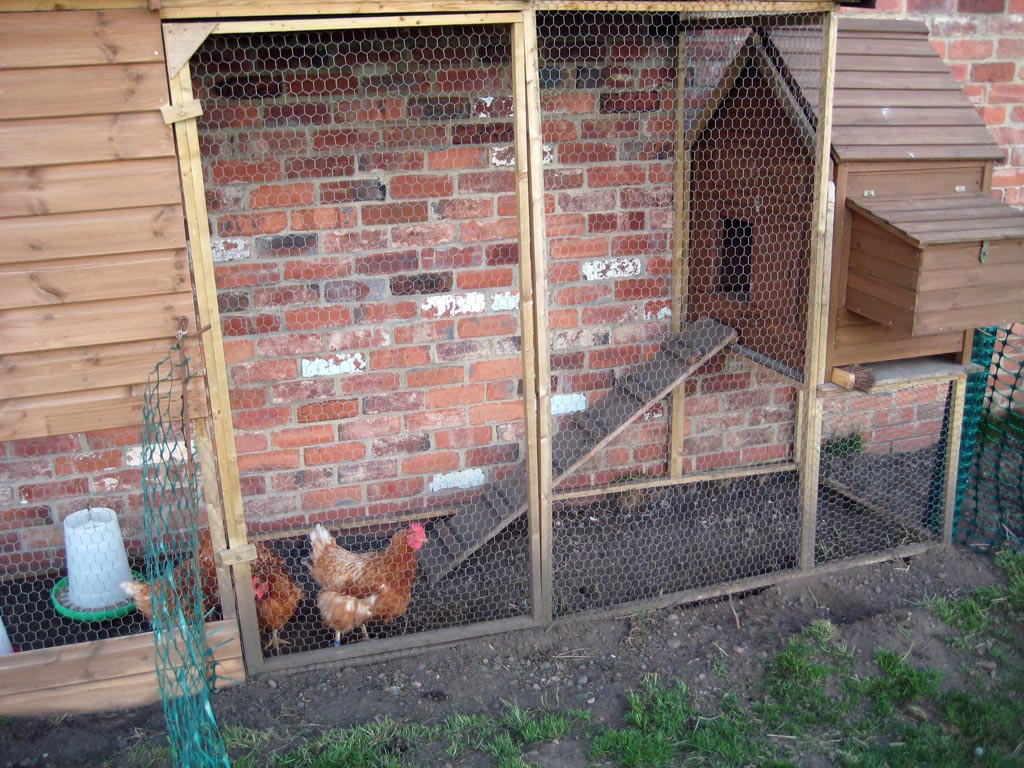
With the paddock area now fenced off I could set to work moving the chooks’ coop and run into it – fresh grass for one and all! I started by stripping down the coop, cleaning it thoroughly with a Jeye’s fluid dilution and then repainting it with a water-based wood preserver which would dry before they were rehomed in it for the evening. I then dug up the run, which has a mesh skirt all around it to deter digging animals – foxes in particular. This skirt goes down about 6 inches, then out perpendicular to the ground by about a foot. The run was then carried (dragged) by yours truly to its new home on the east-facing wall, so the chooks get the benefit of the morning sun but won’t cook ( in the warmer afternoon sun come summertime. It’s going to be so much better than their current north-facing location which ended up a bit of a mire.

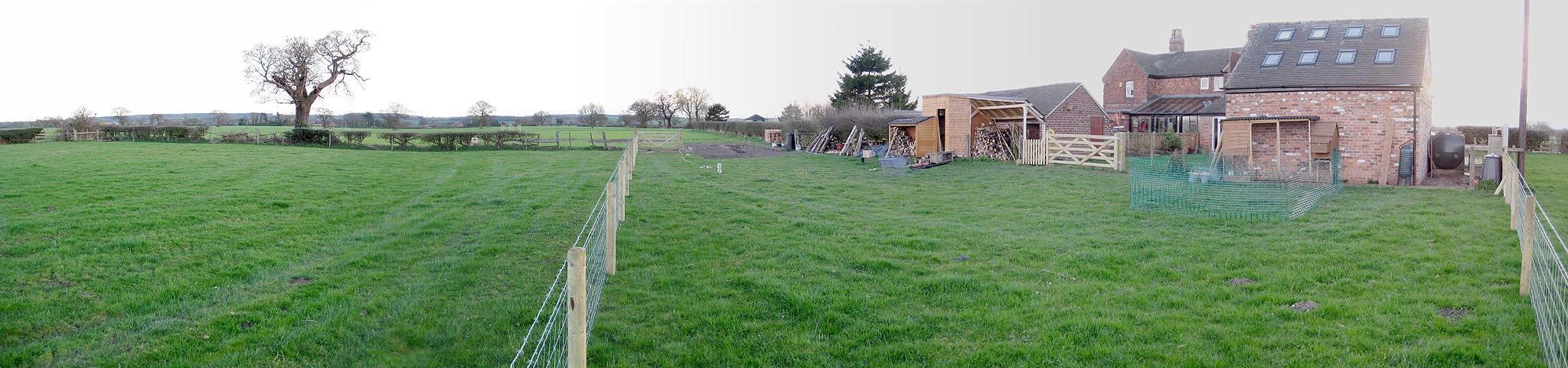
For now I’m using temporary netting to contain them, but on my ever-expanding list of things-to-do we’ll put in fence posts on which we can hang chicken net hurdles. These will partition them off from one grazing paddock to the next, so we can alternate them every 6 weeks to keep down risk of disease, and we can remove them completely if we open it to sheep grazing in the future. We’re thinking of also planting some half-standard fruit trees here as well, for some shelter.

I have to say, they do love their new home, like pigs in muck…except they’re chickens…on grass…

Digging for Easter Eggs…

…I wish! A call from the fencing contractor means we might have a paddock fence sometime next week, so the rush was on to level the 2 foot step from the paddock to the main field. Gary and Liz next door needed to level it as it crossed a vegetable plot in their land, and we needed to level it as it would prove rather inconvenient to jump 2 feet every time we wanted to enter the field!

The other problem with this border is that it’s the lowest level in that corner of the field and in heavy rain we end  up with a decent pond – not something you want on your entrance or veggie patch. Our solution was to collectively remove the headland strip from the main field, which was about 5′ across and 1′ deep, and drop the soil into the ditch in the water logged paddock to raise it. Before we did any moving of soil we needed to lift the turf so we could reuse it, and peel back the existing fence (sheep netting and barbed wire) on the border so we could shovel the soil across.

On removing the turf we thought it would be a good time to see just how deep the surface water level is around by us. We know we’re in a 100 year flood plain, but the farmers like the land as whilst it does get wet in heavy downpours, there’s enough flint in the soil to help it drain quickly. The soil is also sandy loam, so good for growing most things 🙂 We dug down and no sooner had we dug a spade’s depth in the lower levelled paddock did we hit water. This means our houses are only about 3 feet above surface water level – admittedly after it’s been constantly raining. We felt quite cheery about this as one of the plans is to build a well for us all to use. We have them dotted around us in fields and front gardens, but the pump outside ours was removed a while ago, so we thought we’d put a new one in to the rear of the cottages. To be honest, for irrigation purposes, we could probably get away with digging a pond! The water level is so high as we are in the Trent Wash and, as someone pointed out to us, only 25% of the water travelling down the valley is visible in the river – the rest moves through the ground! So what we were actually looking at was the River Trent running under our feet! Sure enough, when we dug a channel out we could see, as it filled slowly, that the current was ever-so-slightly running in the same direction as the river over a mile away! We dug this channel out to about 3 feet below our final level and filled it 12″ high with flint pebbles we’d rescued from our vegetable patches. We then backfilled it with almost 2′ of top soil from the headland and replaced the turf. We hope this will help that part of the paddock to drain quicker, but we know with the extra foot of soil we’ve added that the water level is at least 2′ below now, so great for roots but won’t sit high enough to water-log our root veg.
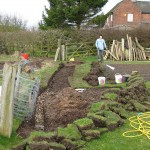
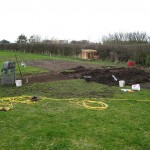
All of this took 2 solid days of digging and moving the soil, but it sure was worth it! Gary and Liz now have a flat vegetable patch and we have a smooth-ish transition from the paddock to Acre Field.

On other fronts, the tomatoes inside are almost ready to pot into individual pots, the cucumbers are showing their faces, as are the marigolds and nasturtiums, and I believe some lettuce outside are peeking out! Things are happening 🙂 We also have around 25 house sparrows, up from 5 the first year we moved in. We put this down to no more cats that the previous owner had, extra sparrow boxes we’ve put up, and regular seed being put out by Suz. Excellent!

Our two new chickens are now laying as well, so we’re getting around 18 eggs a week at the moment which is plenty!

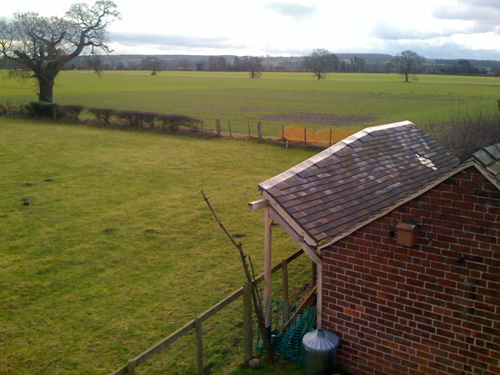
Last but not least, a coupe of shots of the rear of the cottages as another reminder of what they used to look like 🙂

Trench Digging

More is explained in the next post, but the essence of the Easter weekend task list was to level the step from the paddock field to the acre field. Suz and I are going to have a gate put in and need it level, and Gary and Liz are going to have a vegetable plot spanning the change in height which is about 2′ at the moment. The downside is also that it happens to be a rather natty water trap in that it sits so low on the paddock side, so the plan is to move the higher headland from the field-side to the lower ditch on the paddock side. Much spade work methinks.

Suz’s dad, Colin, came along to help out – not sure he knew we were planning on digging but it just so happened that we had a spare spade. How lucky.

We needed to remove all the turf from both sides, to resuse once we’d shifted the soil. Then we had to move the soil from one area to another, and replace the turf. The big ‘but’ was that once the turf was removed from the paddock side, we dug a further 2 feet down to below the surface water level (you can see the water lying in the dug trench), to produce a long trench  running along the boundary between the two fields. We’ll fill this with the flint pebbles we’ve griddled from both of our allotment patches – we have buckets of thin things!

A general weekend update

With some time to poddle in the garden this weekend, I went to check the grass growth in the acre field and it’s looking good! You can make out the brown rectangular patch just above the orange netting, where our new veggie patch will be. Come spring this should turn rampant, and we’ve decided to not plant any orchard this year seeing as though it’s getting a bit late and I’m loath to spend money on a slightly risky planting session.

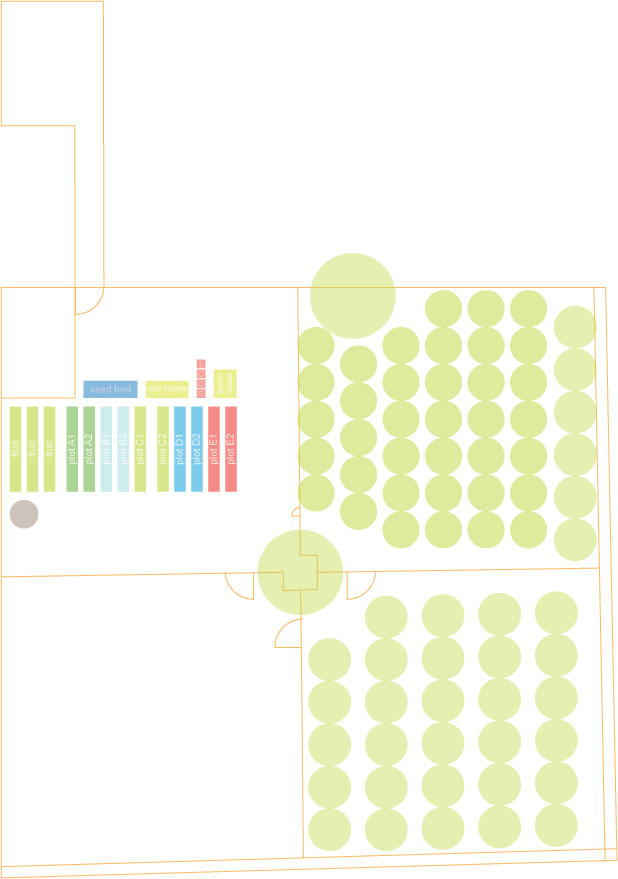
Instead, we’ll blow the budget on getting all the fencing in place that we will need to split the field into the four quarters we want – the vegetable growing quarter, the hay/grazing quarter, the small tree orchard quarter and the larger tree orchard quarter. This year we’ll try and get 4 or 5 sheep in after April to tread the ground down and to eat the grass tops, both encouraging new growth and replacing the need to mechanically roll the ground. They’ll also add useful  fertiliser! We’ll also be able to add chickens as well, so I’ll build a coop or two, and we’ll also be able to plant the hedgerow whips so they can get a good start. This lack of planting of orchard trees will allow us to concentrate on the vegetable patch so we’ll have plenty to do! We’ve changed our minds about half standard and standard trees, and have decided to take things down a peg and use MM106 rootstock for apples, St Julien A for plums, Colt for cherries and Quince A for the pears. This will allow us to grow fruit ‘bushes’ in the smaller fruit tree orchard, to grow to about 9-12ft high and mostly pickable by hand and stepladder. The larger tree orchard will grow to half standard size, so lower branches will be around 1.2m from the ground – hopefully just about high enough to prevent sheep from grazing the fruit when they’re fully grown.

There was also time to dig over our existing veggie patch to let the night frost attack it – the chickens happily came onto the patch to help munch exposed bugs and worms whilst I dug, and added some welcome manure without me having to lift a finger! I lifted the remainder of the large leeks and cabbages, leaving some smaller leeks in to see what happens.

Out in the snow

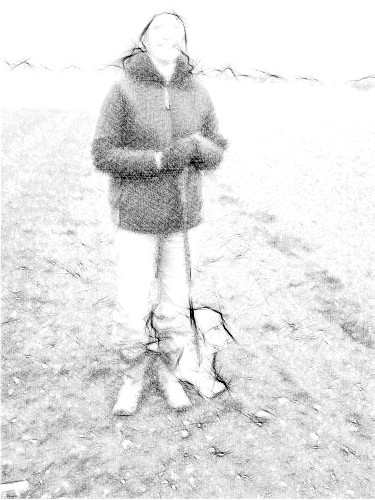
With the field size being finalised and hopefully we’re on the last leg of the buying process, Suz and I took the opportunity to pop out and measure up accurately so we could use decent measurements. With these we can then work out tree spacings and more importantly, the centre of the field where we’re going to plant a walnut tree (on a Rita rootstock so we get to see it in our lifetime), under which we can sit in our dotage, contemplating our navels, listening to the delightful sound of walnuts bouncing off our heads.

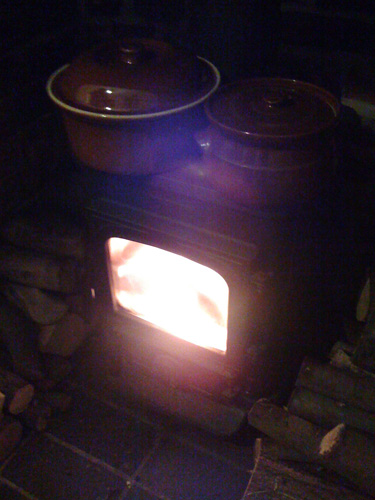
It was a cold day, strange to be out there again without our beloved Frankie, our cocker spaniel, who passed away just before Christmas. The ice forming on the lane was getting pretty treachourous and had already allowed one vehicle an impromptu entry into the adjacent field, but it made a great slide, even with 4-wheel-drive wellies on. And at the end of the cold day, back to the stove with casseroles bubbling away, filling the house with delightful food smells…slurp! We’re still pulling produce from the ground (now that we can dig into the permafrost!) – these are small parsnips, you should’ve seen the size of those we donated to my father-in-law, 2 of them weighed in at 2lb 6 3/4oz – 1.1kg in new money – not bad for a first attempt at growing them 🙂

There’s Grass!

Yesterday I thought the field looked a bit whispy, but then figured it might be my eyesite playing up, so I hopped over the fence to get a closer look and sure enough we’ve about 1″ of growth of grass! Fantastic! Everyone told us if the weather held up for  a week or so we’d get growth before Christmas but I always try and prepare myself for the worst so I’ll always be pleasantly suprised 😉

Now we only have to see the indent the flock starlings and occasional pigeon cluster have made!

Woohoo!

Harrowing

HarrowingAs I sit here and write this, I have a new found respect for Suz Harrowingthe word ‘harrowing’. I ache. My back aches. My arms ache. My neck aches. My aches ache. But it does feel good to have harrowed an acre by hand using 2′ wide wooden tine harrow.

We had access to the heavier metal version usually pulled behind a tractor (or horse) but as it had rained the night before we drilled the seed, farmer John thought it would be best by hand. It may have been a test to see if we’d  break 😉

John popped over to see how we were getting on and to bring us the wooden tine harrow to use. John and DunkHe’d noticed us drilling the seed and knew we’d probably visit him soon to borrow the metal tine harrows he’d offered but he’d come to the conclusion that they’d be heavy going by hand. I think he was right, but I wouldn’t like to do more than we’ve done by hand again! The wooden harrow was a lovely piece of woodwork – all the tines were push fit into the end, the ash handle was split to at the handle end to house the handle itself and only a brass collar was used to keep it from splitting all the way to the business end.

Suz and FrankieOnce we’d pegged out the land and drilled the bits we want to grow as grazing land, the harrowing of the sown piece took about 5-6 hours. Suz came and helped for a fewgary_liz_patch rows which was a welcome break, and Frankie came to sit in the dirt – he’s good at that, an expert even.

7.40pm on the evening, the sun was almost gone and I was rescued by Gary and Liz from next door who came to admire the newly turned dirt and help me with the evil barrow from hell back to the house. Here they’re standing on the piece of land that will soon be part of their allotment! I’m going to sleep well.

Pegging Out & Drilling

Barrow at the ReadyThe wind was calm, the rain nowhere to be seen, the new leather strapMarking Out had arrived for the fiddle drill and the sun was shining – perfect! We filled up the crap barrow from B&Q  (the tyre looks like a pneumatic tyre but deflates to nothing if you so much as look at it) with wooden pegs, tape measure, grass seed, fiddle drill and chunky mallet. The wellies were donned and we skipped into the field. Well, we trudged slowly whilst trying to steer the barrow and it’s road-hedgehog of a tyre.

The first job was to peg out the layout, to see where we needed to sow grass seed and where to leave bare soil for the veggie patch. Suz can be seen here smack bang in the middle clutching a post that will eventually be the walnut tree. We’ve found a variety called ‘Rita’ fromWalnut Wife Keeper’s Nursery, which only grows to 25ft tall. Much more manageable than the 100ft variety and a lot less shadow cast on valuable growing space on the ground.

FiddlingI was amazed at how little seed is needed to sow an acre – as a total novice I had 1 full bag and a 3/4 full bag of seed – enough to sow 1.75 acres in theory. I figured there would be wastage, and sure enough fiddle jams, stumbling and just forgetting to lock off the feed hole on the fiddle meant there were a few piles of seed dotted around the field. All in all it took about an hour to drill the whole field, and I still have half a bag left which is not bad by my reckoning 🙂 Of course, the truth will out if the field ends up patchy 😉 We’re hoping to get some decent growth before Christmas if the next week is as good as it’s promising!

Fiddle Drill for Sowing Seed

Ploughed FieldSo there’s now an acre of beautifully ploughed and prepared land, ready for grass seed. You can just about make out the far South East corner by way of the little pole with a rag attached to it, centre picture. After much advice I’ve decided to put in a permanent paddock in terms of grass seeds as I don’t fancy resowing that often between fruit trees. A local farmer has sold me a couple of acre bags (yes – seed is sold in acre bags!) of a ryegrass mix. Whilst the paddock at the back of our house has white clover in it as a nitrogen fixer, it was suggested by our neighbour farmer that we may want to sow a clover-free mix else it may take over!

The ryegrass mix will make great hay and be good for grazing by both sheep and chickens, but I plan to add some red clover, which I believe is beneficial to chickens, next spring. I also hear this is not as hardy as the white variety so won’t act like a triffid, taking over everything! We’ll have to resow it every spring but I’d rather that than a field full of white clover.

You might have noticed there are a lot of  ‘I believe’s’ and ‘So I’ve been told’s’ – there’s much to learn, much to unlearn, and probably even more to relearn in the future!

My first lesson today was being introduced to this amazing contraption – a Fiddle Drill. Both farmers helping us along in our venture have giggled (in a manly way of course) when seeing our reaction to them miming playing a fiddle whilst dancing a little jig. Essentially you fill the bag with seed, set the slider to how much seed you want to come out and for every pace forward you make one sweep of the bow. In theory this will broadcast seed about 2 yards left and right, on a calm day, and save more time than if broadcast by hand. Sounds a bit like rubbing your stomach whilst patting your head to me, but it’ll be fun trying! This particular fiddle drill is believe to be around 80 years old and still going strong.

I’m hoping tomorrow will be dry enough later to sow the seed, after which it will need harrowing with a light spike harrow (we’ve been offered one where I have to play the part of the ox) and then rolled to tamp it all down (we have been volunteered help with that part 🙂 ).

As far as how much seed to sow goes, when I asked the question I was told if there are 5 seeds under your hand when you lay your palm face down on the ground, then that’s plenty. It’ll give room for each grass root to spread and become stronger in the future. If the weather stays this warm (around 15 degrees at the moment) then we could get some good growth before Christmas!