
First Ploughing of the Field
We could hardly contain our excitement! We’d been told by a neighbouring farmer who works many of the fields around us that they’d be ploughing the one behind us soon. Panic had already set in – we’re still waiting on the solicitors to make the purchase but our good neighbour who is selling us an acre portion of the large 46 acre field has suggested we let the ploughs work our land over as well, to get rid of the left over rape seed stubs, but we must catch them before they sow the wheat seed!
So when Gary, our neighbour, and I noticed the tractor and plough pootling over the large field to begin ploughing it was exciting for us – somehow made it all the more real. Up until now I’d spent hours on the evening scouring books and websites for inspiration. John Seymour’s ‘The Complete Book of Self Sufficiency’ has been the bible of course, but various others have been a great source of ideas.

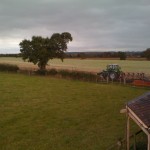
As the plough worked around the edge of the field and into the distance, Gary pointed out that they didn’t seem to be doing a great job as they’d only just about dinted the surface! As ploughing expert number 2, I stated that they were probably just dragging the plough to where they would start properly. Later, telling our famer neighbour next door about this, he chuckled to himself and told his young padawans that this was called ‘sub-soiling’ and is needed to soften the ground up where the plough will eventually be dropped into the hard ground to begin new furrows. Like I’ve said – much to learn 😉
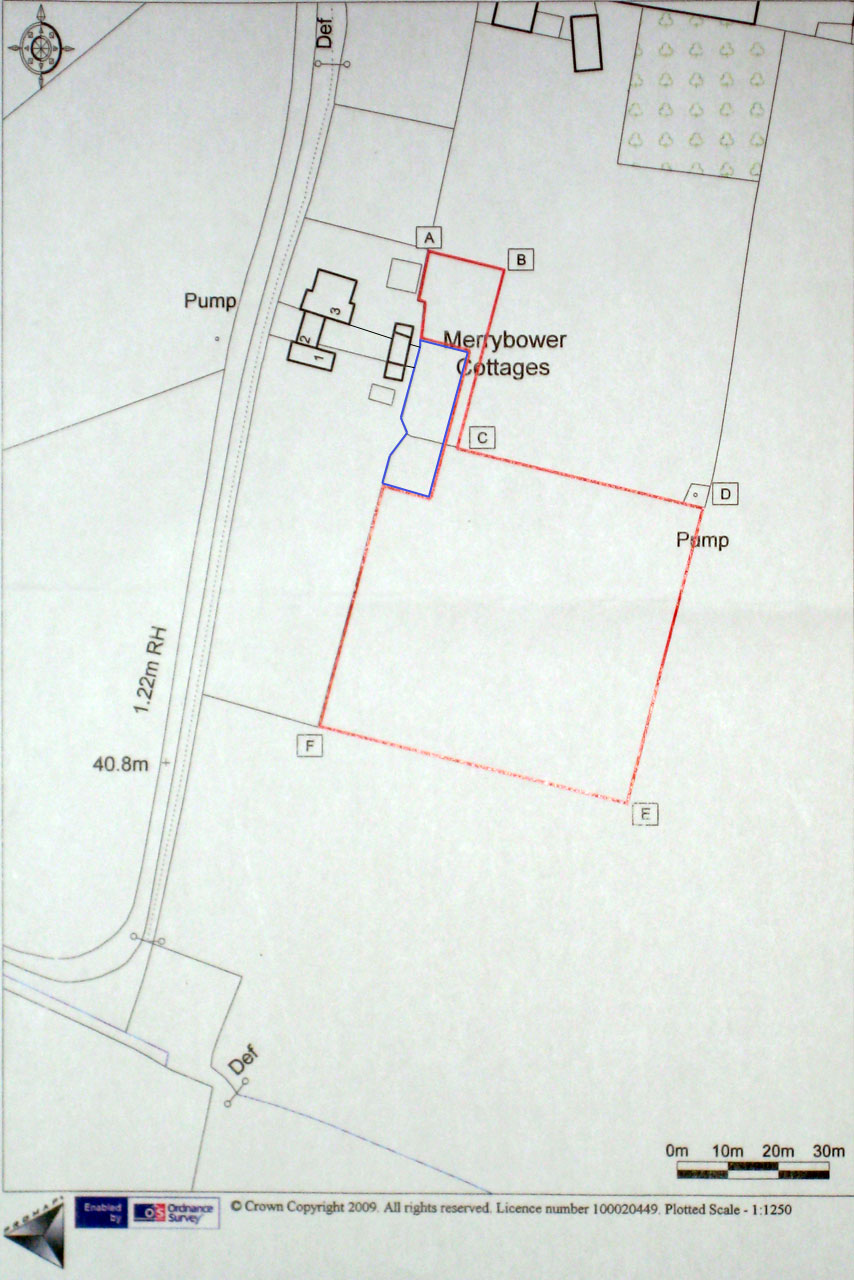
 We have finally been given an outline of the acre field, which we can access through a narrow 10ft corridor from the back of the house. We’re still waiting for the solicitors to finalise things, but the farmer we’re buying from has been kind enough to allow us to mark it out as best we can and sow grass seed before the winter chills come in.